Plenary Keynotes
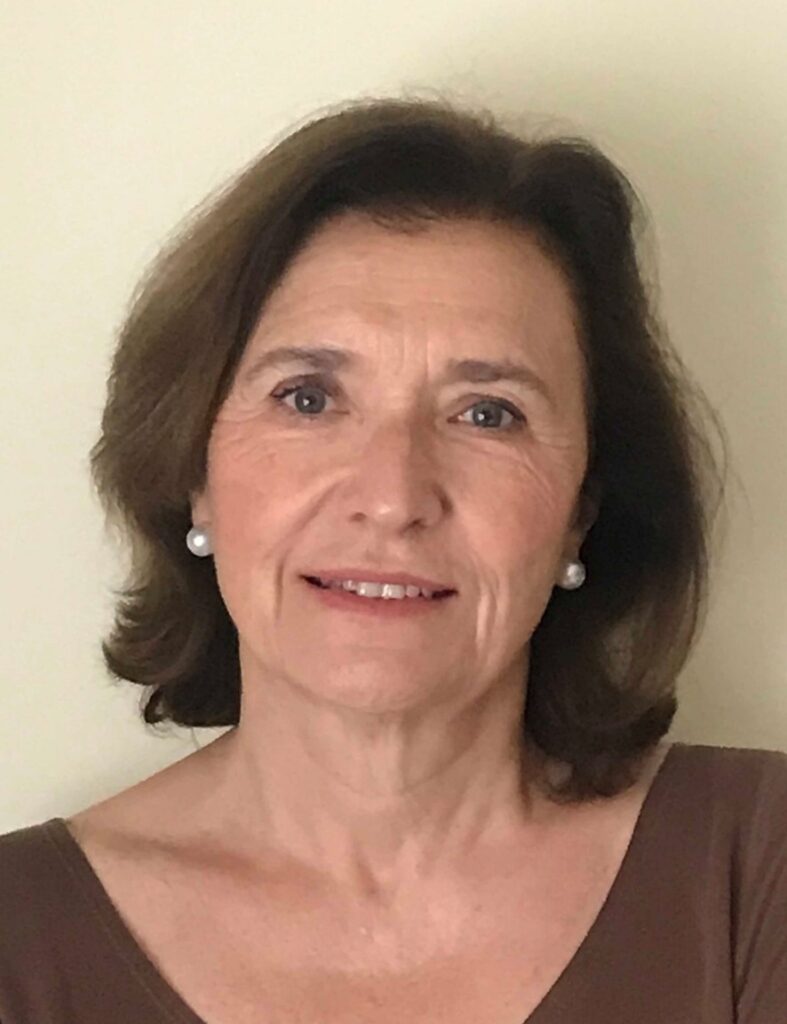
Neus Figueras
EALTA CEFR SIG chair
Selecting, adapting and supplementing CEFR descriptors for assessment.
Dr. Neus Figueras has been involved in a number of international research and development projects related to assessment at different education levels and has given courses and presented in universities in Spain, in various European countries, in Asia and in the USA. She has also carried out consultancy work in assessment and in curriculum design. She has collaborated regularly with the Council of Europe in the uses and the dissemination of the CEFR in language testing and assessment and is one of the authors of the Manual for Relating examinations to the CEFR (Council of Europe, 2009). She co-edited with David Little Reflecting on the CEFR and its Companion Volume, published in 2022 by Multilingual Matters and co-authored Aligning Language Education with the CEFR: A Handbook, jointly published by the British Council, UKALTA, EALTA and ALTE, publicly available online.
She is a founding member of EALTA (European Association for Language Testing and Assessment, www.ealta.eu.org), and is currently the coordinator of the EALTA CEFR SIG. She is also a founding member of GIELE (Grupo de interés en evaluación de lenguas en España, http://giele.webs.upv.es/)

Brian North
CEFR co-author
CEFR 2020: Completing or broadening? The evolution of the CEFR descriptors
Brian North has been an English teacher, project coordinator, course director, researcher and manager. He was Chair of Eaquals, the international quality assurance association for language programme providers from 2005 to 2010 and in currently President of API (Action-oriented, Plurilingual and Intercultural) Forum. In a long collaboration with the Council of Europe, he coordinated the 1991 intergovernmental Symposium that recommended the Common European Framework of Reference for Languages (CEFR) and European Language Portfolio (ELP), for which he developed the levels and descriptors in his PhD (The Development of a Common Framework Scale of Language Proficiency 2000: Peter Lang) as part of a Swiss National Science Foundation project. He then co-authored the CEFR itself, the prototype ELP, the Manual for relating examinations to the CEFR, and Eaquals’ CEFR Core Inventories for English and French. He also coordinated the 2013–20 Council of Europe project that produced the CEFR Companion Volume, of which he is co-author, and is main editor of the case studies related to it: Enriching 21st century Language Education: The CEFR Companion Volume, Examples from Practice (2022, Council of Europe). Other publications include: The CEFR in Practice (2014: Cambridge); Language Course Planning (with M. Angelova, E. Jarosz & R. Rossner: 2018: Oxford), and The Action-oriented Approach (with E. Piccardo, 2019: Multilingual Matters).
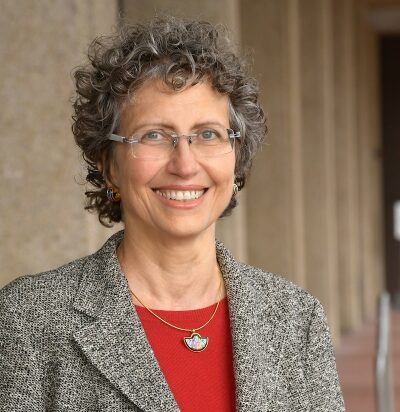
Enrica Piccardo
University of Toronto
Fostering agency through CEFR-informed scenarios: an emergent process
Enrica Piccardo PhD is a Professor of Applied Linguistics and Language Education at the Ontario Institute for Studies in Education, University of Toronto and distinguished Maître de Conférences (Associate Professor) at the Université Grenoble-Alpes (France). She has extensive international experience in second/foreign language education research, teacher development and teaching of multiple languages. A collaborator with the Council of Europe (CoE) since 2008 and Co-author of the Common European Framework of Reference for Languages (CEFR) Companion Volume (Council of Europe, 2020), she has coordinated international research projects on language teaching innovation and teacher education in Canada and Europe. She has presented in numerous countries and in different languages (English, French, Italian and German) and has published extensively – scholarly articles and books as well as publications for teachers. Her research spans language teaching approaches/curricula, multi/plurilingualism, creativity and complexity in language education. She is presently coordinating the SSHRC-funded ‘Advancing Agency in Language Education’ research project, which spans three Canadian Provinces and includes four languages (English, French, German and Spanish).
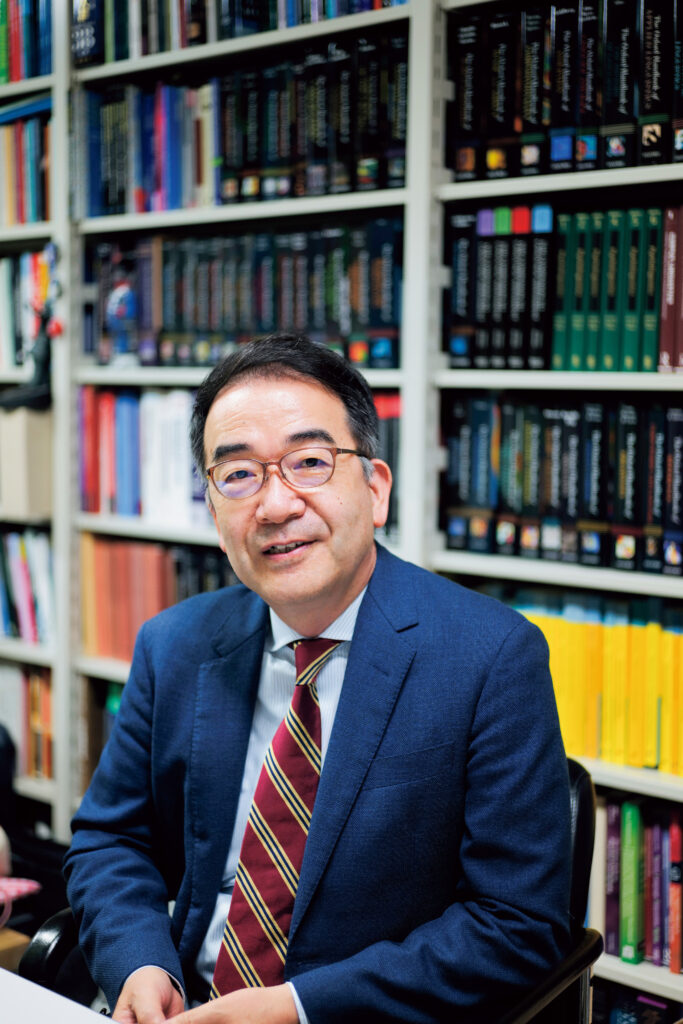
Yukio Tono
Tokyo University of Foreign Studies
Specifying CEFR Descriptors with AI and corpora: Insights from the CEFR-J Project
Yukio Tono is a professor of corpus linguistics at Tokyo University of Foreign Studies. He also serves as Director of the World Language Centre at TUFS. He received his PhD from Lancaster University, UK. His research interests include corpus applications in foreign language teaching and learning, L2 vocabulary acquisition, and resource development for the CEFR. He is the principal investigator of the CEFR-J project.